Last updated: August 2026
Quick Answer
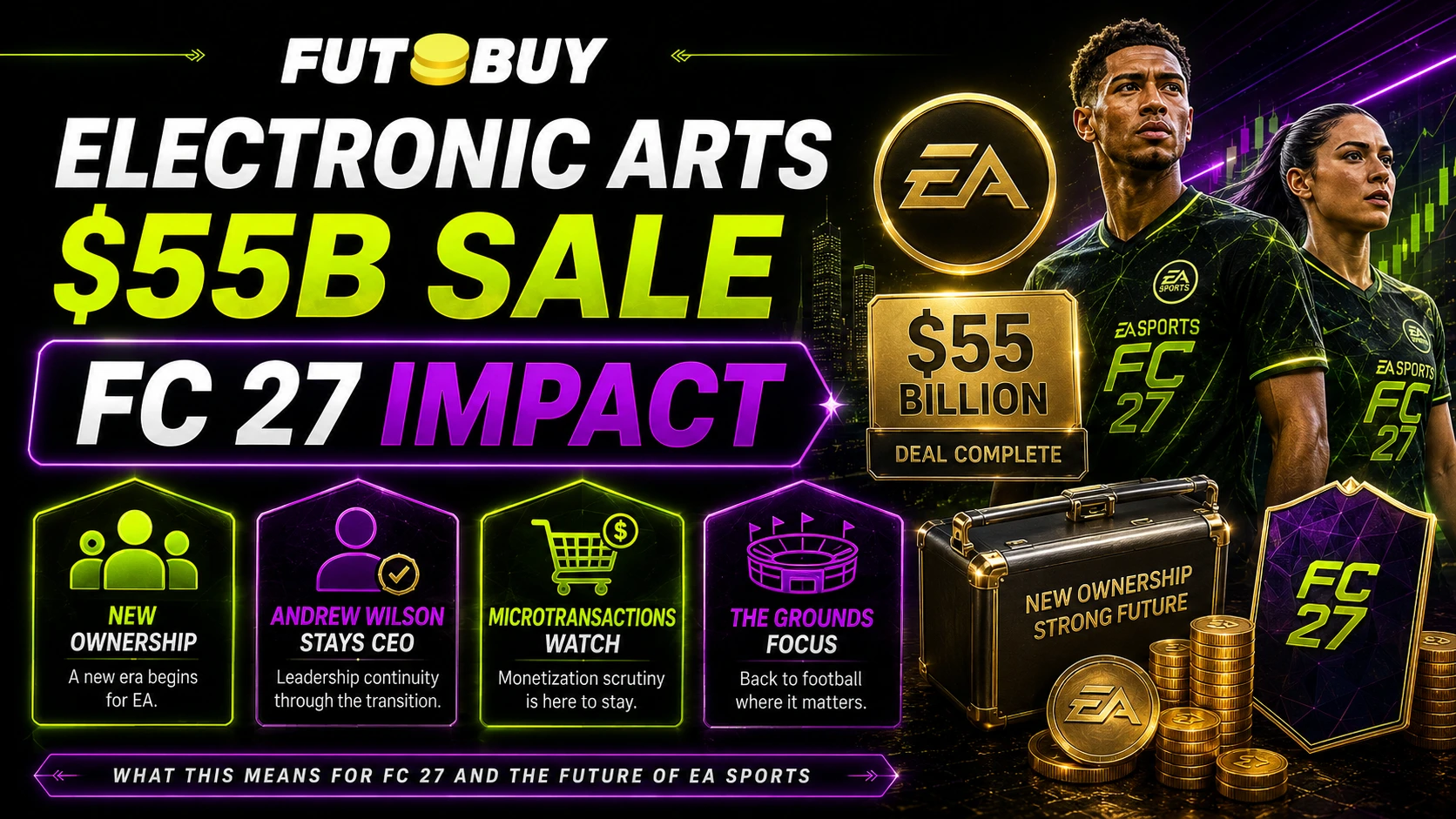
Electronic Arts has officially completed its $55 billion sale and is now a private company. The buyer group includes Saudi Arabia’s sovereign wealth fund PIF, investment firm Silver Lake, and Affinity Partners, the investment firm founded by Jared Kushner, Donald Trump’s son-in-law. Andrew Wilson remains CEO of EA, and EA previously stated that the company would continue to be led by him after the transaction.
For EA SPORTS FC players, the key question is simple: will this change the way EA monetizes its games?
Developers create the games. Publishers approve the strategy around monetization, live-service systems, Ultimate Team content, store packs and long-term revenue models. And that is why the biggest thing to watch after this deal is not just FC 27 gameplay, but future transactions, Ultimate Team content and especially The Grounds.
The Grounds could become one of EA’s biggest new live-service playgrounds — or, if pushed too aggressively, a new microtransaction gold mine.
We will see more on September 18.
EA’s $55 Billion Sale Is Now Complete
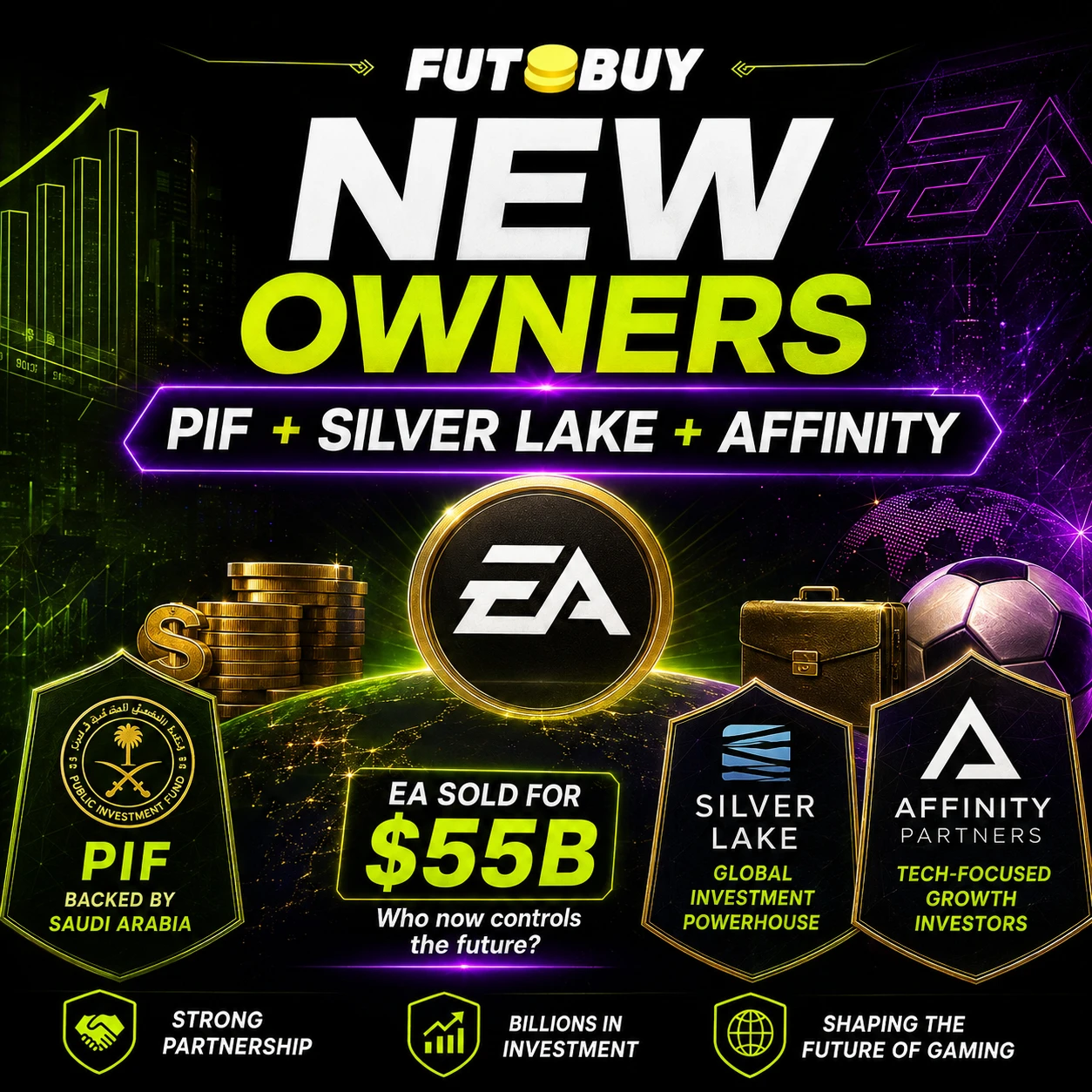
Electronic Arts has officially closed its $55 billion go-private deal. According to AP, EA announced that the sale was completed to a buyer group made up of Saudi Arabia’s Public Investment Fund, Silver Lake Partners and Affinity Partners. AP also notes that the deal is the largest-ever private-equity-funded buyout.
The Verge also reported that EA is now a private company after the $55 billion deal closed, adding that the transaction includes $20 billion of debt financing.
This is not just a normal business headline.
EA owns some of the biggest franchises in gaming: EA SPORTS FC, Madden NFL, Battlefield, Apex Legends, The Sims and more. When a company of this size changes ownership structure, the effect can eventually reach the games themselves.
Maybe not immediately.Maybe not in the first patch.Maybe not in the first month.
But over time, private ownership can influence priorities.
And for EA SPORTS FC players, that means one thing: watch monetization carefully.
Who Bought Electronic Arts?
The buyer group includes three major players:
• Saudi Arabia’s Public Investment Fund, known as PIF;
• Silver Lake Partners;
• Affinity Partners.
EA’s own announcement described the original acquisition agreement as a transaction with an investor consortium made up of PIF, Silver Lake and Affinity Partners. EA also stated that the deal valued the company at approximately $55 billion.
Affinity Partners is especially notable because it was founded by Jared Kushner. EA’s official announcement describes Affinity Partners as a Miami-based investment firm founded in 2021 by Kushner.
In simple terms, EA is no longer just a public gaming company answering to the public stock market in the same way. It has moved into private ownership under a powerful investor group.
That does not automatically mean every game changes overnight.
But it does mean the business strategy behind EA could become even more focused, aggressive and long-term.
Andrew Wilson Remains CEO
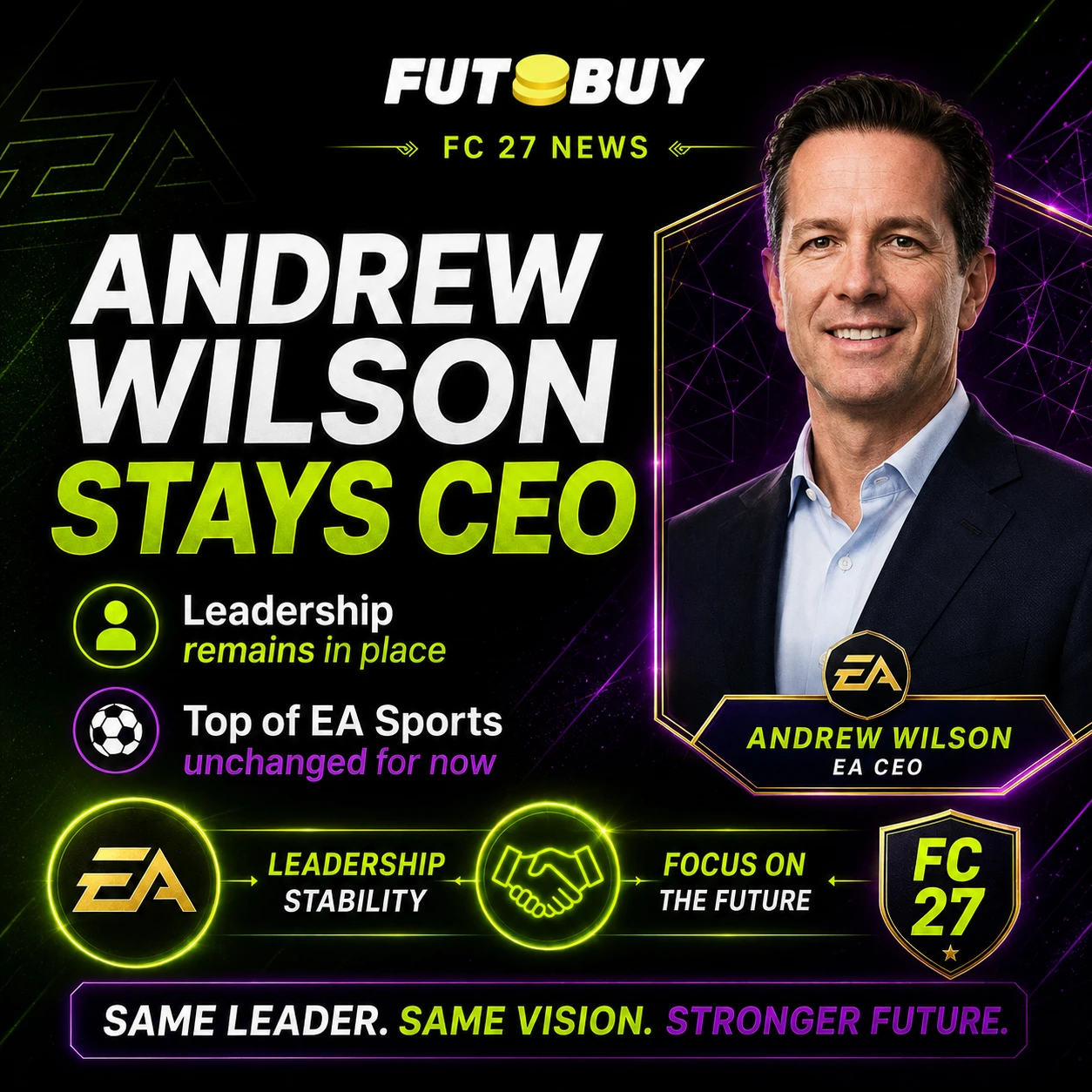
One important point is that Andrew Wilson remains in charge.
EA’s original acquisition announcement stated that after completion, Electronic Arts would remain headquartered in Redwood City, California and continue to be led by Andrew Wilson as CEO.
That matters because this is not a situation where the company is instantly getting a completely new public-facing leadership identity.
The top of EA remains familiar.
For EA SPORTS players, that likely means the current live-service direction will not suddenly disappear. Ultimate Team, seasonal content, packs, promos, engagement systems and recurring monetization are already central to EA’s business model.
The new ownership may not need to reinvent EA.
It may simply push EA to scale what already works.
And for EA SPORTS FC, what already works commercially is obvious: Ultimate Team and microtransactions.
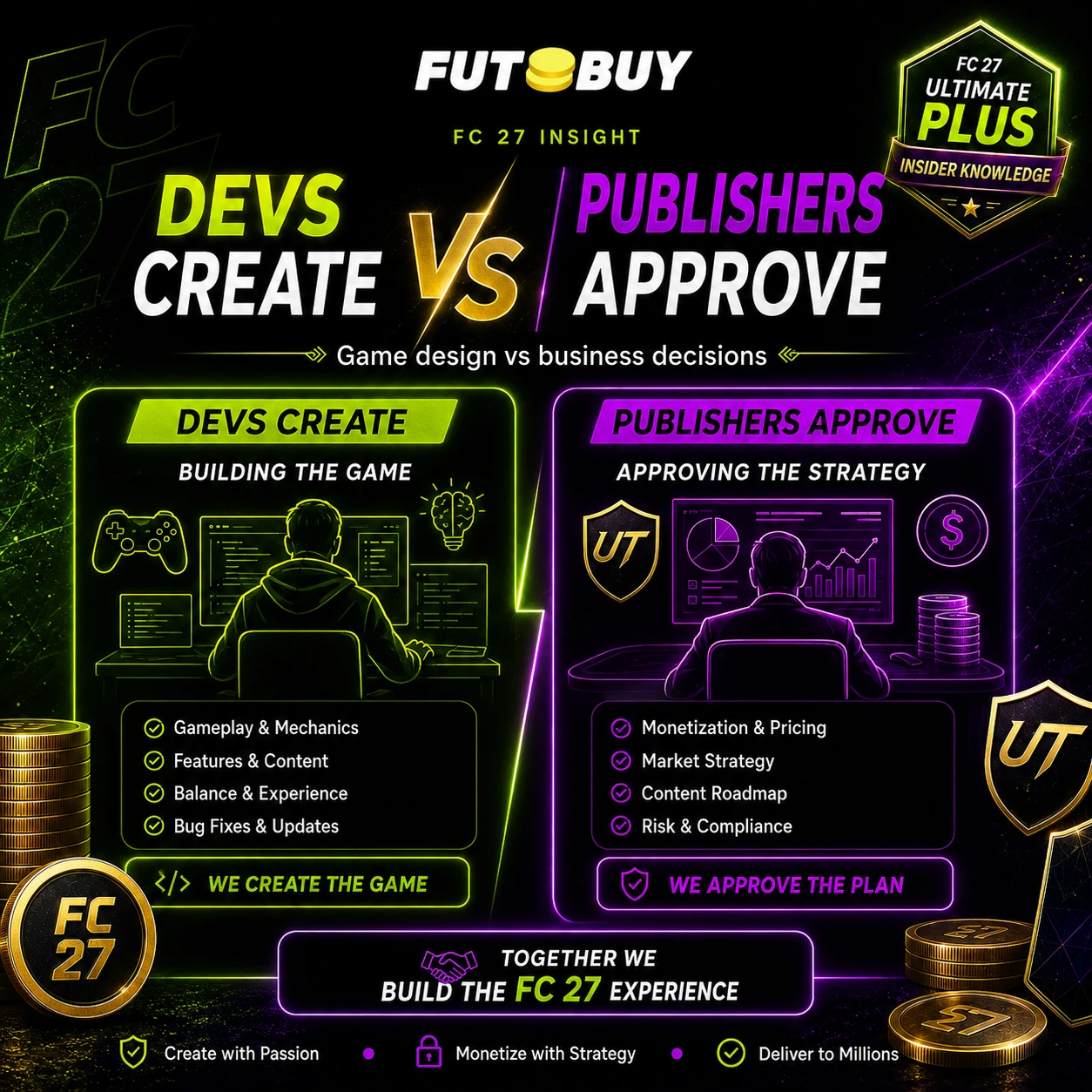
Developers Create Games — Publishers Approve the Business Model
This is a point that many players forget.
Developers do not simply decide everything by themselves.
Developers create the game.They build mechanics.They design systems.They work on gameplay, animation, menus, modes and content.
But the bigger business decisions — monetization structure, store strategy, live-service priorities, pack economy, premium editions, content cadence — are usually publisher-level decisions.
That is why players should not look only at the developers when talking about microtransactions.
If a mode becomes too aggressive with paid content, that is not just a creative decision. It is a business decision.
And after a $55 billion acquisition, the business side becomes even more important.
Investors do not buy a company like EA because they want less revenue.
They buy it because they believe the company can grow.
The question is how that growth will happen.
What Should FC Players Watch After the EA Sale?
The biggest thing to watch is future monetization.
For EA SPORTS FC, that means:
• Ultimate Team store packs;
• FC Points;
• premium editions;
• early access advantages;
• cosmetic monetization;
• Evolutions;
• token systems;
• paid progression shortcuts;
• The Grounds;
• possible open-world customization.
The most important point is not whether EA adds microtransactions.
They already exist.
The real question is whether EA expands them into more areas.
Ultimate Team is already the obvious revenue machine. But if FC 27 introduces larger social spaces, open-world features or The Grounds-style progression, EA may gain new ways to sell cosmetics, upgrades, boosts, animations, fashion items or other digital content.
That is where the future may be heading.
The Grounds Could Become EA’s Next Gold Mine
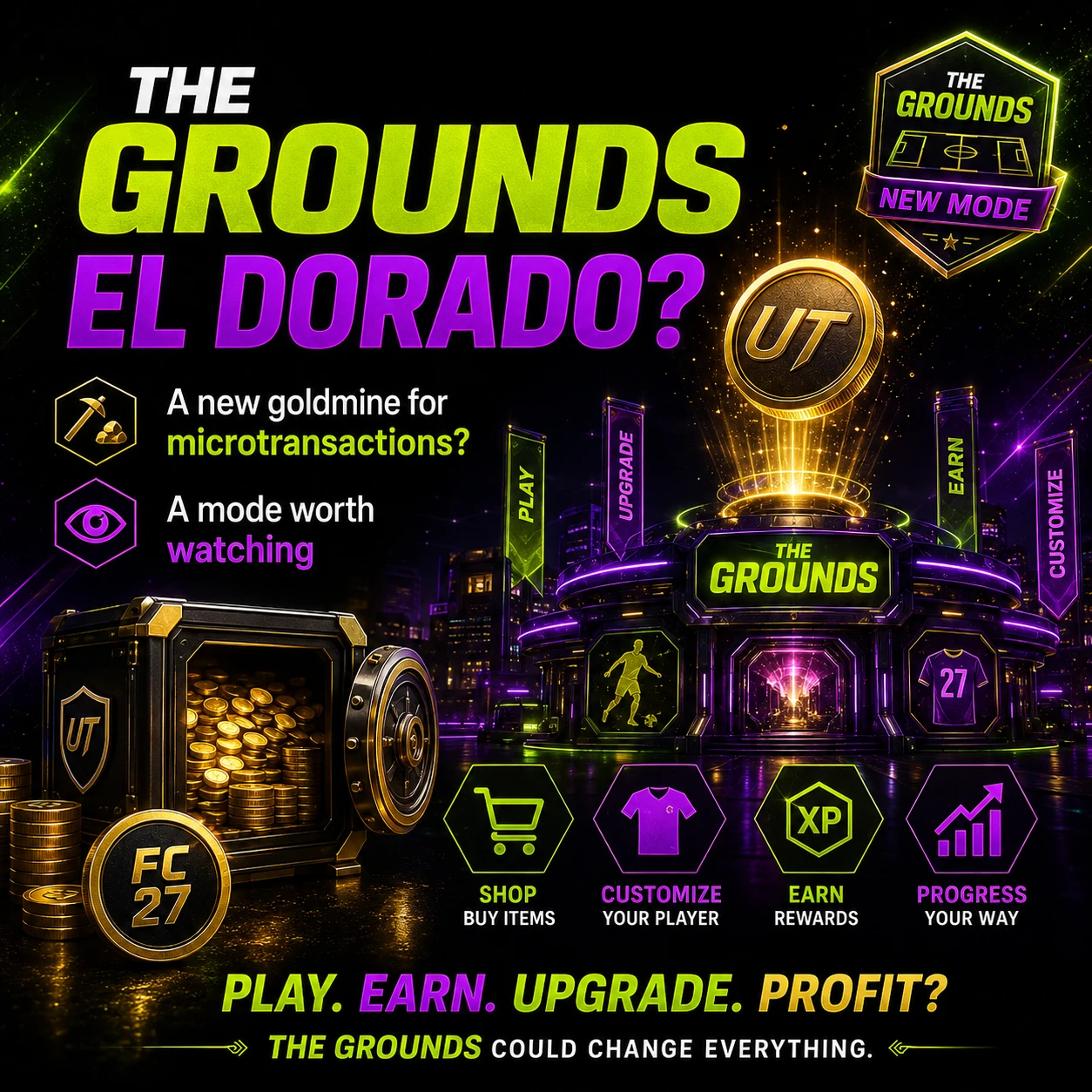
The Grounds is the mode to watch.
If EA builds The Grounds as a social football hub, it could become much more than just another side mode.
It could become a live-service environment where players customize avatars, show off items, enter events, interact with other players and connect with different parts of the EA SPORTS FC ecosystem.
That sounds exciting.
But it also sounds very monetizable.
The Grounds could be filled with:
• paid outfits;
• boots;
• animations;
• celebrations;
• emotes;
• stadium cosmetics;
• avatar upgrades;
• limited-time items;
• event passes;
• premium customization bundles.
In other words, The Grounds could become EA’s version of a football-themed digital city.
And that is why the “El Dorado” comparison fits perfectly.
It could become a city filled with gold — except the gold is your money, and the treasure goes to the publisher.
Why The Grounds Is More Dangerous Than Ultimate Team
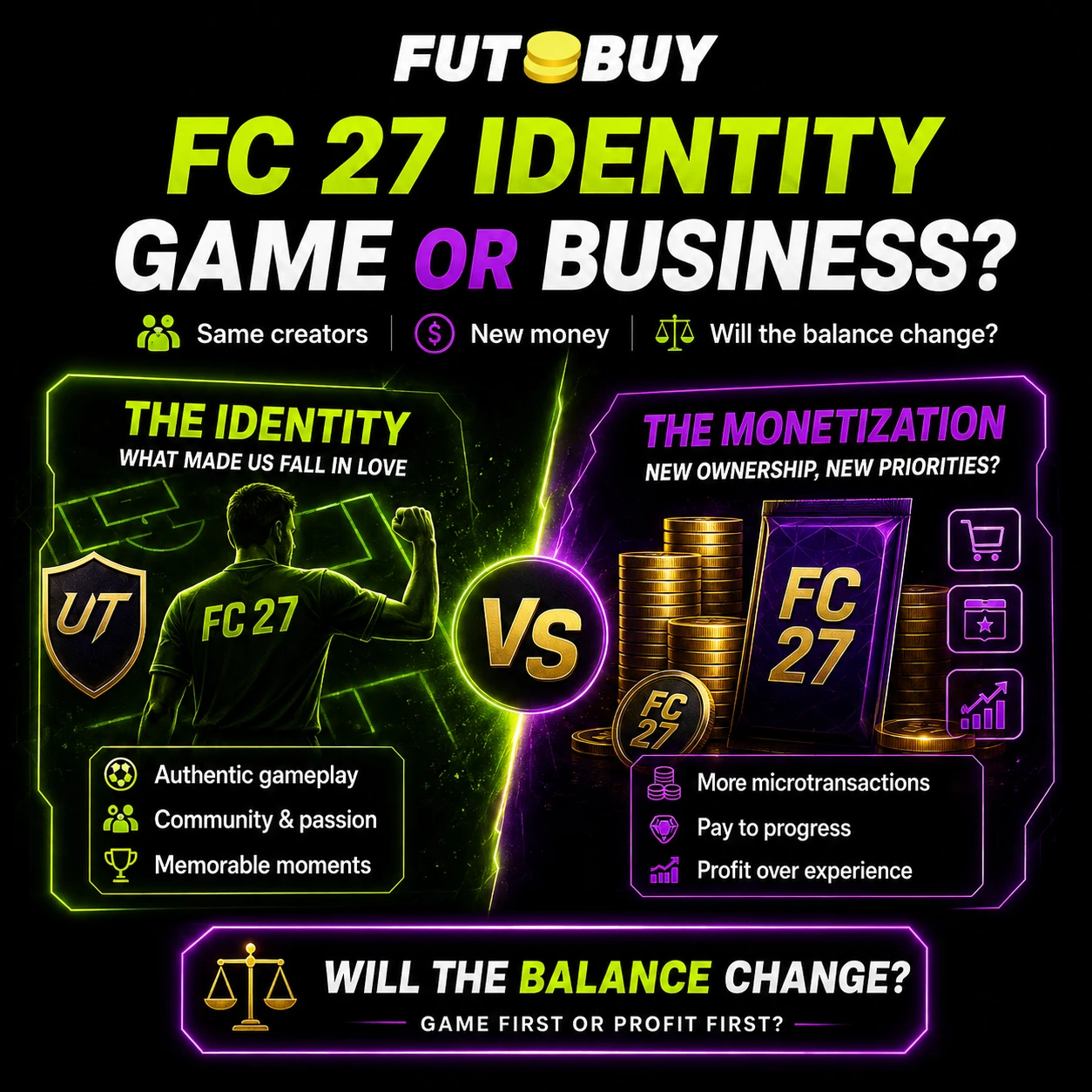
Ultimate Team monetization is already familiar.
Players know what packs are.They know what FC Points are.They know what promos are.They know what SBCs are.They know the cycle.
The Grounds could be different because it may open a second layer of spending.
Ultimate Team is about cards and squads.
The Grounds could be about identity.
And identity-based monetization can be extremely powerful.
When players spend not only to improve performance but also to look unique, express personality or stand out socially, the monetization model becomes wider.
This is why cosmetics are so valuable in modern games.
A shirt, animation or celebration may not improve gameplay, but players still buy it because it feels personal.
If EA connects The Grounds with social status, limited-time items and online visibility, the mode could become a huge transaction hub.
Will This Affect FC 27 Immediately?
Probably not in a simple one-day way.
EA’s $55 billion sale being completed does not mean FC 27 instantly becomes a completely different game.
Many parts of FC 27 were likely planned long before the deal closed.
But ownership changes can affect long-term direction.
The Verge noted that EA has recently focused heavily on major tentpole franchises, including Battlefield, EA SPORTS FC, Madden NFL and The Sims. It also suggested that EA may depend more on bankable releases rather than smaller experimental projects.
That matters for FC players.
EA SPORTS FC is one of EA’s most reliable annual franchises. It has a huge global audience and a strong live-service economy.
So under private ownership, FC is unlikely to become less important.
If anything, it may become even more central.
Could Private Ownership Be Good for EA SPORTS FC?
It is possible.
Going private can sometimes give a company more freedom because it no longer has to answer to public-market pressure every quarter in the same way. AP reported that some analysts believe going private could give EA more freedom in developing and distributing future games outside public-market pressures.
In the best-case scenario, this could help EA invest more deeply in long-term systems:
• better servers;
• stronger gameplay foundations;
• better anti-cheat;
• improved Career Mode;
• improved Clubs;
• better Ultimate Team balance;
• more polished social features;
• better AI systems;
• richer live-service infrastructure.
That is the optimistic version.
Private ownership could allow EA to think bigger and longer.
But there is another side.
The Risk: More Pressure to Monetize
The risk is obvious.
The deal is massive. It also includes major debt financing. AP and The Verge both noted the $20 billion debt component, and AP reported that some observers believe the debt could lead to cost-cutting pressure.
That creates a simple concern.
If EA needs to justify the deal financially, the company may push harder on its most profitable areas.
For EA SPORTS FC, that means Ultimate Team and new monetizable modes.
Players should not panic immediately.
But they should pay attention.
The future of EA SPORTS FC may not be decided only by gameplay trailers. It may be decided by store design, reward structure, pack timing, currency systems and The Grounds economy.
The Real Question: Better Game or Better Monetization?
For players, the big question is not whether EA can make money.
Of course it can.
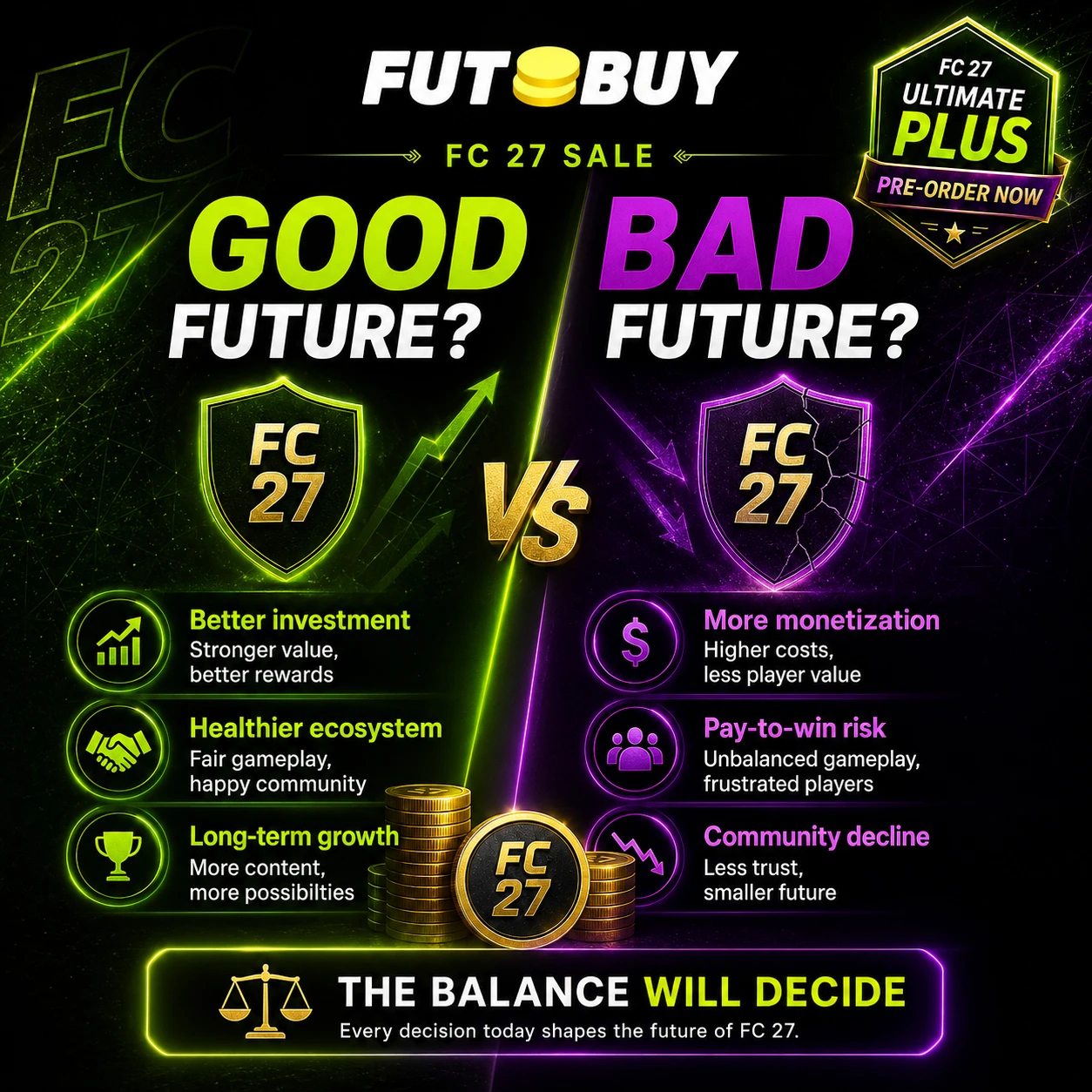
The real question is whether EA’s next chapter creates a better game or simply a better monetization machine.
There is a good version of this future:
The Grounds becomes a fun football hub.Ultimate Team rewards become more balanced.Cosmetics remain optional.Gameplay improves.Career Mode and Clubs get meaningful updates.The store does not dominate the experience.
But there is also a bad version:
The Grounds becomes a digital mall.Ultimate Team packs become more aggressive.Rewards are nerfed to push purchases.Cosmetics become overpriced.Progression becomes more time-gated.Every mode becomes a transaction opportunity.
That is the difference.
Players are not against EA making money.
Players are against feeling like every system is designed first for monetization and only second for fun.
What September 18 Could Show Us
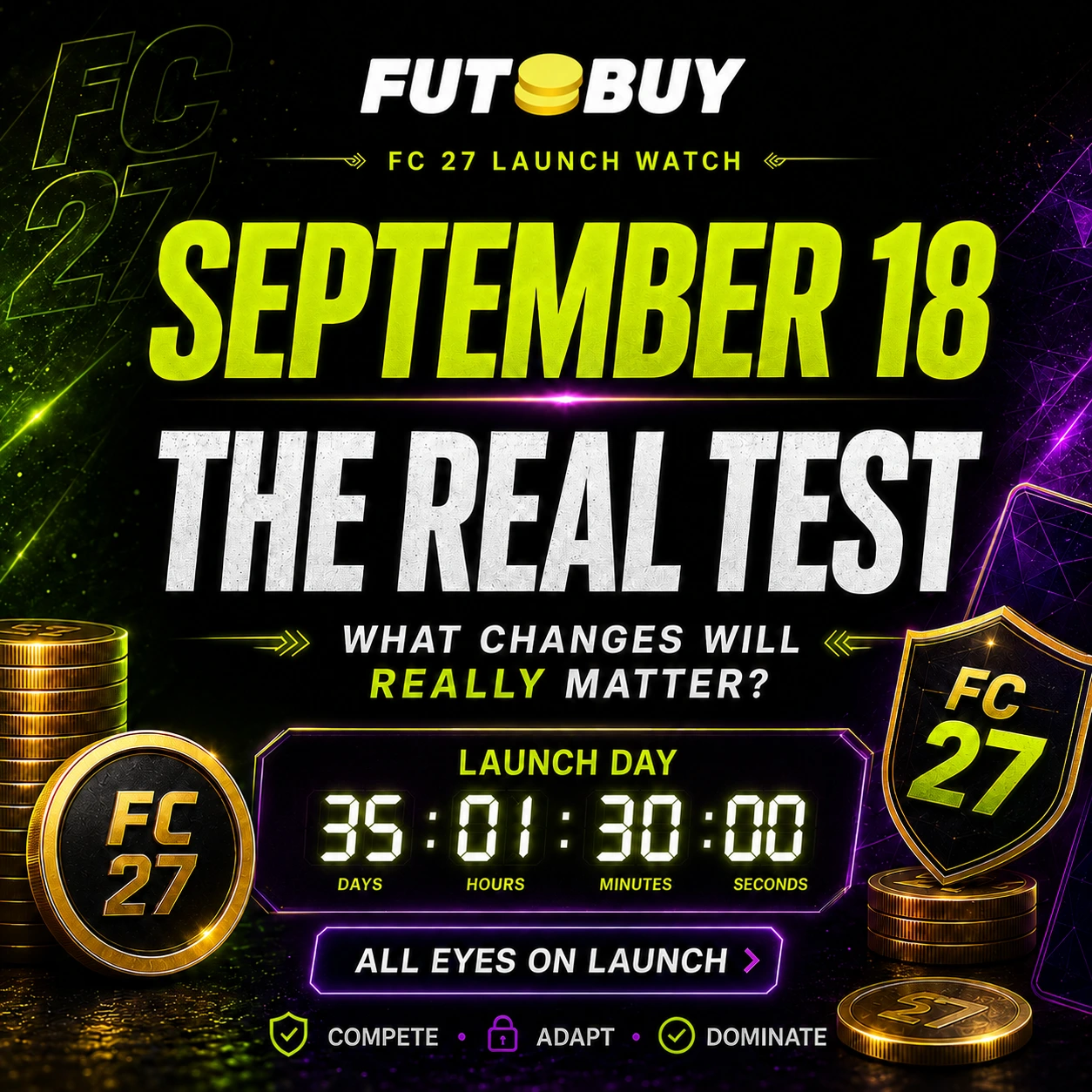
The date to watch is September 18.
That is when we may start to understand how EA wants to present this new phase of FC 27 to players.
The key things to watch are not only gameplay changes.
Watch the economy.Watch the store.Watch early-access rewards.Watch The Grounds.Watch whether cosmetics are earned or sold.Watch whether Ultimate Team rewards feel fair.Watch how quickly premium packs appear.Watch how aggressively EA pushes paid shortcuts.
The trailer can look beautiful.
The real answer will be in the systems.
Final Verdict
Electronic Arts being sold for $55 billion is one of the biggest gaming business stories of the year.
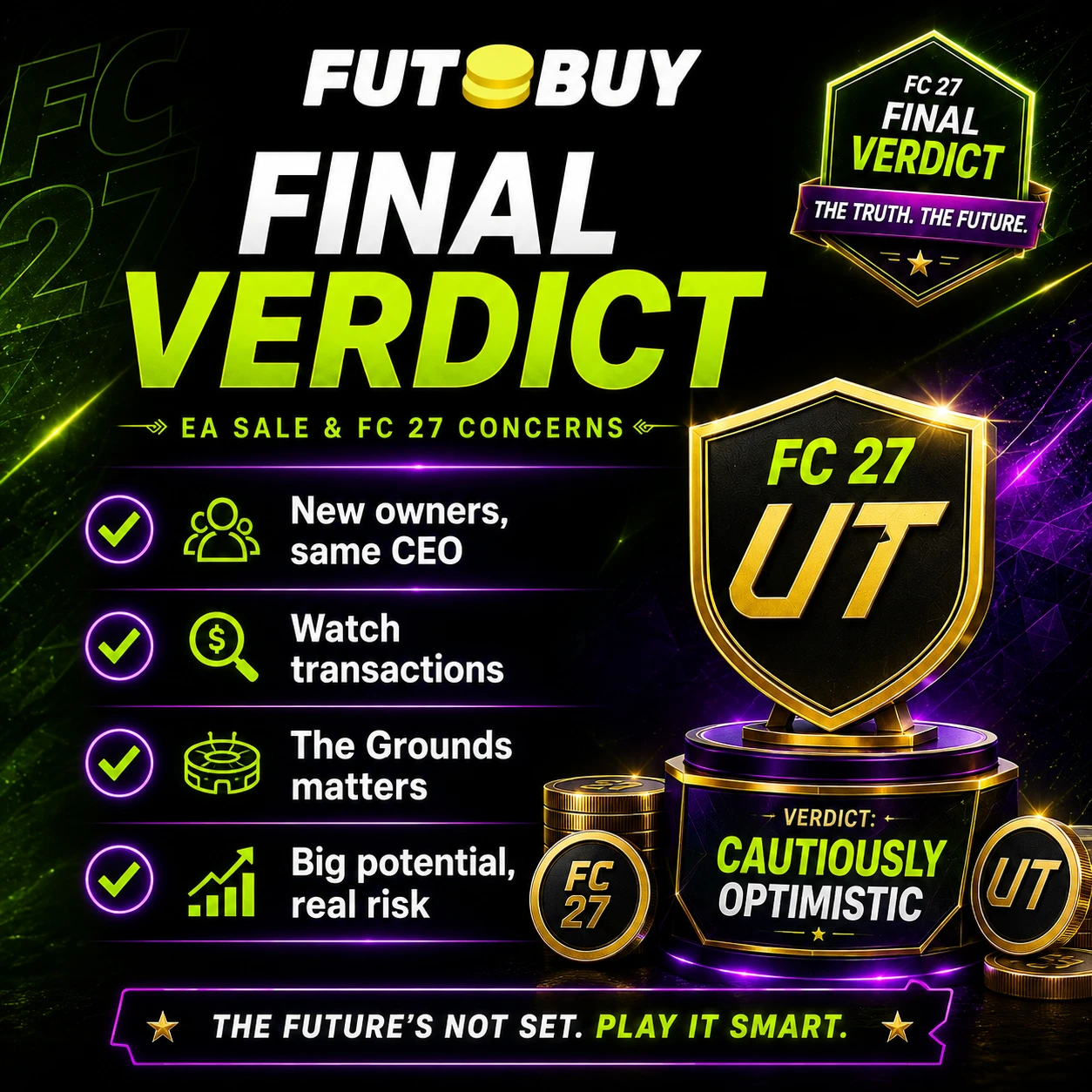
EA is now private, the buyer group includes PIF, Silver Lake and Affinity Partners, and Andrew Wilson remains CEO. The leadership may look familiar, but the ownership structure has changed in a major way.
For EA SPORTS FC players, the most important question is not whether the developers can make a good game.
The question is what the publisher will approve around monetization.
Ultimate Team is already a massive live-service system. The Grounds could become the next major monetization zone if EA decides to turn it into a social hub full of paid customization, events and premium content.
There is real potential here.
Private ownership could help EA invest more boldly in long-term systems. But it could also increase pressure to monetize harder.
So for now, the best approach is simple: watch carefully.
Need FC 26 Coins Before FC 27 Launch?
FC 27 has not launched yet, so many players are still finishing the EA FC 26 cycle.
If you are still playing Ultimate Team, this is the right time to complete late SBCs, test Evolutions, build fun squads and try expensive cards before the next game arrives.
The EA sale is a huge business story, but FC players still have squads to finish right now.
If you want to upgrade your current team, you can check the latest EA FC 26 Coins prices on FUTBUY and enjoy the final part of the EA FC 26 cycle.
Frequently Asked Questions About EA’s $55 Billion Sale
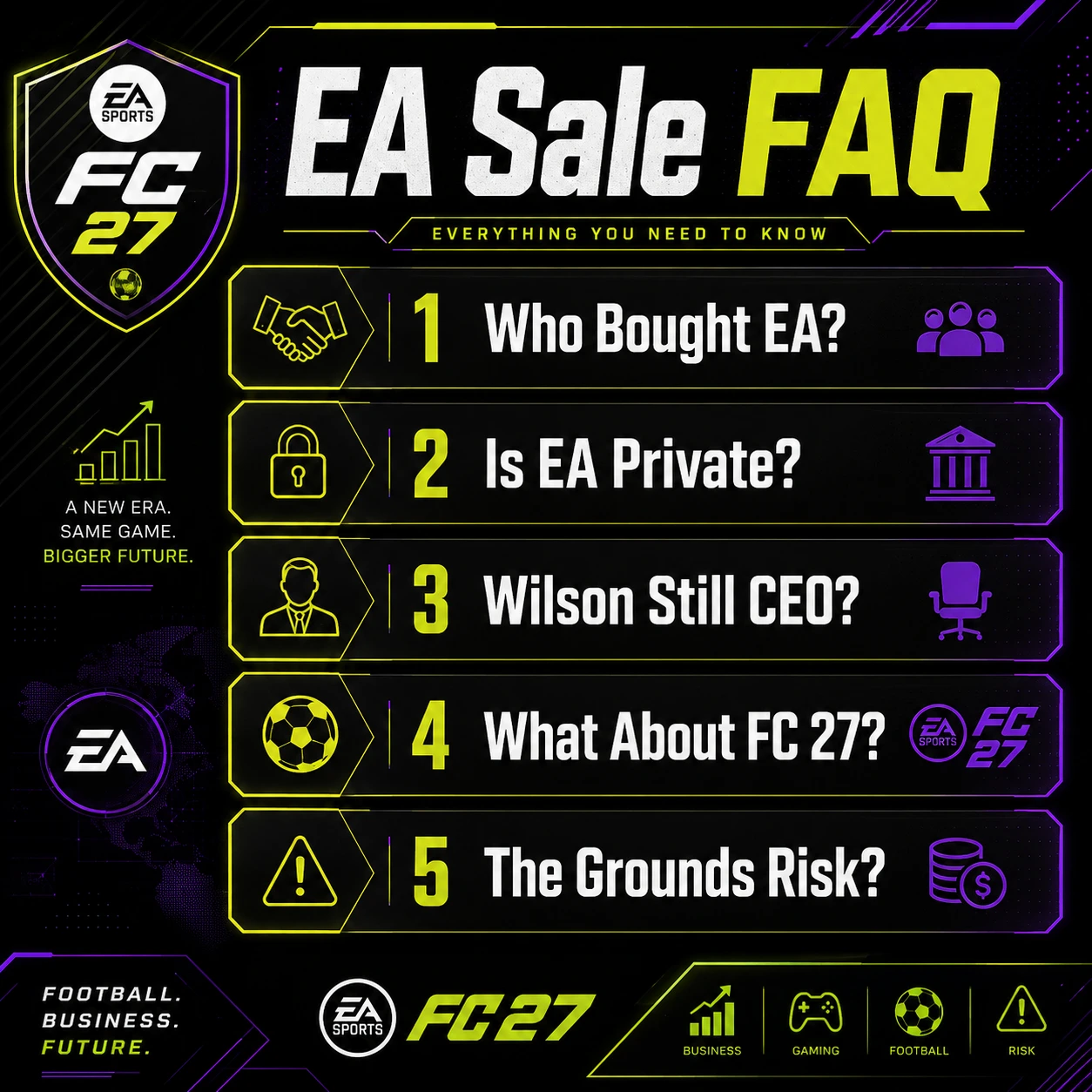
Has Electronic Arts really been sold?
Yes. Electronic Arts has closed its $55 billion go-private sale to a buyer group including PIF, Silver Lake and Affinity Partners.
Is EA now a private company?
Yes. The Verge reported that EA is now a private company after the $55 billion deal closed.
Who bought EA?
The buyer group includes Saudi Arabia’s Public Investment Fund, Silver Lake Partners and Affinity Partners.
Is Andrew Wilson still CEO of EA?
Yes. EA’s original announcement stated that the company would continue to be led by Andrew Wilson as CEO after the transaction.
Will EA SPORTS FC change immediately?
Probably not immediately. Many FC 27 systems were likely planned before the deal closed. But long-term business strategy, monetization and live-service priorities could be affected.
Why should FC players care about this deal?
Because EA SPORTS FC is one of EA’s biggest live-service franchises. Any future focus on monetization, premium content or social spending systems could affect Ultimate Team and The Grounds.
What is the main thing to watch in FC 27?
The Grounds. If EA turns it into a major social hub, it could become a powerful new monetization area.
Could The Grounds include microtransactions?
It is possible. If The Grounds includes avatar customization, cosmetics, animations, celebrations or limited-time items, it could become a major transaction space.
Is this definitely bad for players?
Not necessarily. Private ownership could also support bigger investment and long-term planning. The problem is not the sale itself — the concern is how EA chooses to monetize future systems.